

Hiking Boots vs. Trail Runners: Which Should You Wear on Rocky Trails?
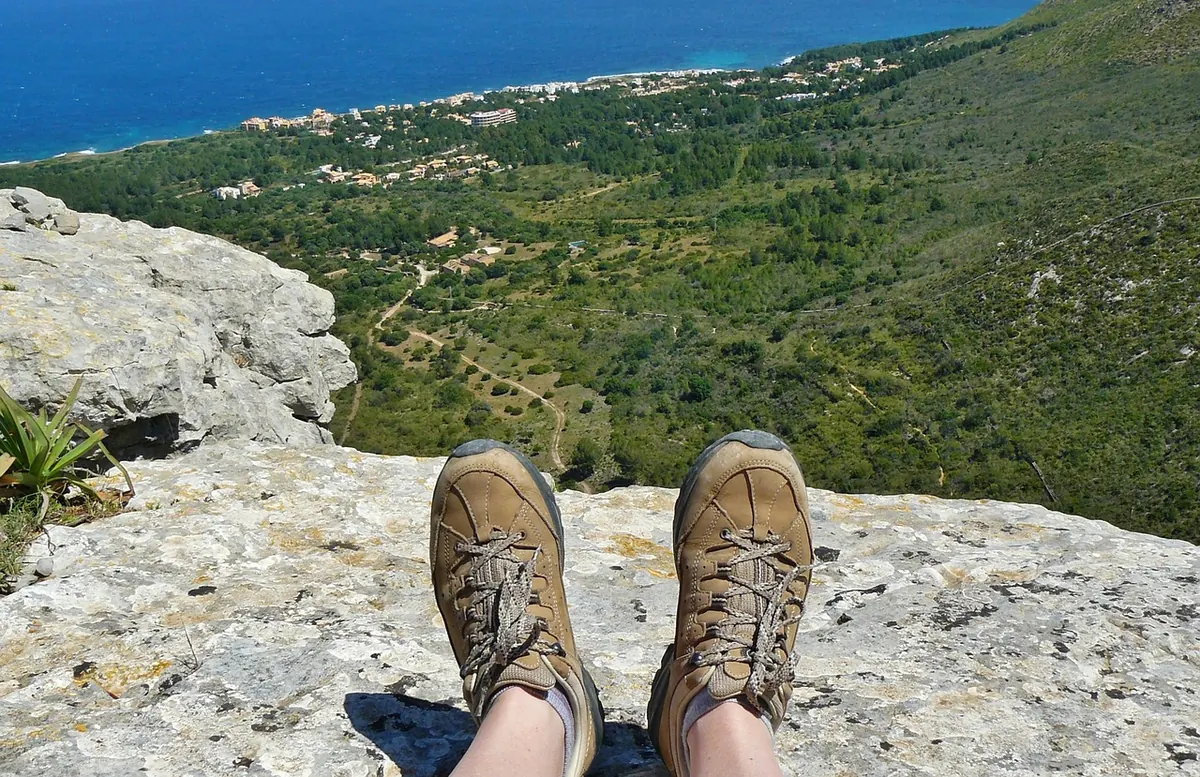
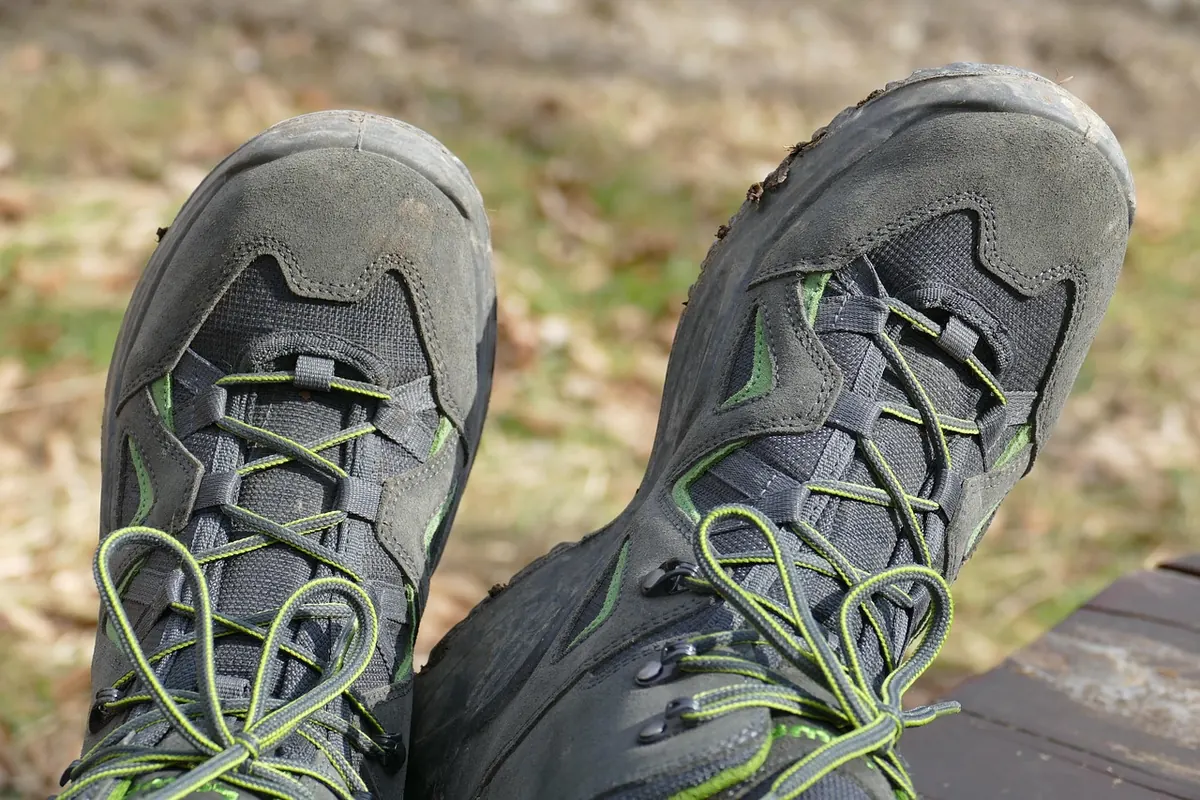
Two hikers stop at the same trailhead. One laces stiff leather boots that rise well above the ankle. The other slips on mesh trail runners that weigh less than a paperback. Both will reach the summit, and both will probably curse their choice somewhere around the third mile of loose scree.
Rocky terrain is where this debate gets decided. Smooth dirt and buffed singletrack flatter almost any shoe. Loose talus, wet granite slabs, and root-tangled descents expose the real differences between boots and trail runners — and neither wins everywhere.
What Ankle Support Really Means
A tall cuff feels reassuring, but it is not a cast. Boots don't lock your ankle in place; they limit some sideways motion, add a layer of padding against rock edges, and pair that collar with a stiffer sole. That combination helps when you're carrying a heavy pack and your foot lands somewhere you didn't plan.
Trail runners take the opposite approach. Your ankle moves more freely, and your muscles, tendons, and balance do the stabilizing. For hikers with strong ankles and light loads, that freedom often feels better on uneven rock, because the shoe flexes and rolls with the ground instead of fighting it. For hikers with weak or previously injured ankles, the extra structure of a boot can add confidence and reduce the sting of a misstep.
Whether a high collar actually prevents sprains is one of hiking's longest-running arguments. What's clear is that most ankle control comes from your own strength, your balance, and how precisely the shoe fits your heel. If you have a history of repeated sprains, plantar pain, or foot problems, talk to a physiotherapist or podiatrist before you decide — footwear is one input, not a fix.
Weight: The Tax You Pay Every Step
Every step, you lift the shoe. Weight on your feet costs more energy than the same weight carried on your back, which is why pack-shoe decisions rarely come out even. Over a long day of rocky hiking, that difference shows up as tired legs, sloppier foot placement, and more stubbed toes late in the afternoon.
Trail runners win on weight, and it's not a small margin. Lighter shoes also drain faster, breathe better, and let you adjust your stride quickly when the ground shifts underfoot. Boots answer with protection: a heavier, stiffer platform that shrugs off sharp limestone edges and lets you kick steps into hard dirt without wincing.
Grip and Protection Underfoot
Outsole design matters more than shoe category on rock. A sticky rubber compound with shallow, dense lugs smears well on wet slabs and smooth granite, while deep, widely spaced lugs bite into mud and loose gravel but feel vague on polished stone. Read the sole before you read the label.
- Sticky rubber, shallow lugs: best for wet slab, granite, and slickrock.
- Deep, spaced lugs: best for mud, loose dirt, and gravel.
- Stiff shank or rock plate: best for sharp scree, talus, and heavy loads.
- Flexible, thin sole: better for smearing and feeling the shape of the rock.
Underfoot protection is where boots quietly earn their keep. A stiff shank spreads the pressure of a pointed rock across your whole foot; a thin, flexible runner transmits it straight to your arch. On a short rocky loop that's a nuisance. On day four of a talus-filled route with a loaded pack, it can be the difference between steady progress and hobbling.
Durability: What Wears Out First
Boots usually last longer. Leather and nubuck uppers tolerate scraping, and many can be resoled when the tread goes. Their weak points are weight, stiffness, and waterproof membranes that eventually leak — and once a membrane-lined boot fills with water, it dries slowly.
Trail runners fail from the top down. Mesh uppers tear on rock and brush, and the midsole foam compresses and loses its cushioning well before the outsole wears through. If you hike most weekends, expect to replace them far more often than boots. If you hike a few times a season, that gap narrows to almost nothing, and the lighter shoe starts to look like the smarter buy.
Comfort, Fit, and Wet Feet
Trail runners generally feel good out of the box, which is a real advantage when you're buying online or leaving for a trip in two days. Boots often need a break-in period, though modern synthetic models need less than the old leather standards. Either way, fit beats category. A mediocre-fitting boot will hurt more than a well-fitted runner.
Three fit details decide most rocky-trail comfort:
- Heel lock. Your heel should stay planted when you push downhill; if it slides, you'll get blisters and instability.
- Toe room. Leave about a thumb's width in front so your toes don't jam on descents.
- Lacing zones. Two-zone lacing lets you snug the ankle while keeping the forefoot loose for swelling.
Wet conditions change the math. In cold, wet climates, a waterproof boot keeps water out longer and keeps your feet warmer. In warm, rainy places, a breathable runner that drains and dries fast is usually more comfortable than a soaked boot that never quite dries out.
How to Choose for Your Own Trails
Ignore the camps and answer a few questions about your actual hiking:
- Pack weight: heavy overnight loads favor boots; day packs favor runners.
- Terrain: off-trail talus and bushwhacking favor boots; maintained rocky trails favor runners.
- Trip length: multi-day routes reward protection; half-day hikes reward light weight.
- Ankle history: repeated sprains and weak ankles favor more structure, ideally after some strength work.
- Weather: cold and wet favors waterproof boots; warm and wet favors fast-draining shoes.
Test Before You Commit
The fastest way to settle this is a field test. Take a rocky route you already know, wear the socks you'd wear on a big day, and carry the pack you'd actually carry. Four to six miles with a long descent is enough to expose problems. Pay attention on the downhill, where toes jam, heels slide, and tired ankles complain.
Borrow or rent a pair before buying if you can, and change only one variable at a time — shoe, sock, or insole — so you know what helped. Write down where your feet hurt and when. Two or three test hikes will tell you more than any online argument, including this one. And if pain persists past a few outings, get it checked by a professional rather than buying a third pair of shoes hoping the problem goes away.
Photo: cocoparisienne / Pixabay